

Professional vs. DIY Surveillance: What Each Means for Your Home
Enjoy Greater Protection With A Professionally Installed System
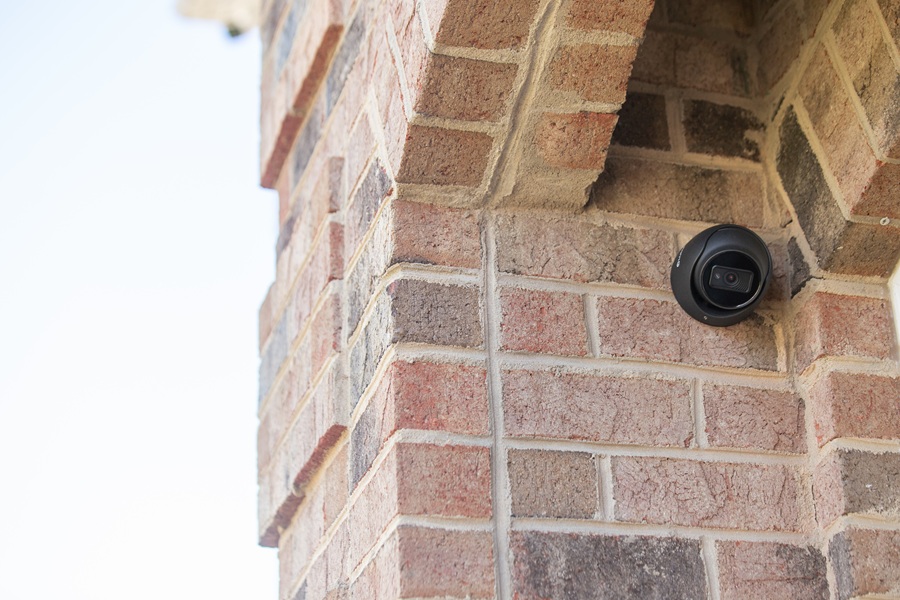
Walk into any big-box store and you'll find shelves full of DIY cameras promising quick and easy protection. While these products can provide basic visibility, they often create a false sense of security. Battery-powered cameras and consumer-grade apps simply aren't designed to deliver the reliability, coverage, cybersecurity, and long-term performance of a professionally installed surveillance system.
At Whitaker Technologies, we understand that DIY security products can be a good fit for some situations, but they aren't the right solution for every property or security need. That's why we offer a wider range of options. We design and install integrated surveillance solutions tailored to your property, combining professional-grade cameras, secure network infrastructure, reliable recording systems, and remote access capabilities. The result is a system that not only helps you see what's happening but also provides dependable evidence, greater cyber protection, and peace of mind when it matters most.
Understanding the difference between consumer-grade products and professionally installed surveillance systems is the first step toward protecting your property, your privacy, and the people who matter most.
SEE MORE: Home Surveillance: Ring vs. Traditional NVR Hardwired Options
Wireless Signals vs. Hardwired Cables
One of the biggest differences between consumer-grade security products and professionally installed surveillance systems is how video data moves throughout the property. Most DIY cameras rely primarily on Wi-Fi to transmit video, making them dependent on wireless signal strength, battery life, and internet connectivity. While these solutions can work well in many applications, they may not provide the reliability required for larger properties or critical security needs.
Professional surveillance systems are typically built on hardwired network infrastructure. Cameras connect directly back to a centralized recording platform over dedicated network cabling, providing a more reliable connection and reducing the risks associated with wireless interference, signal loss, or connectivity issues. For many installations, cameras are further isolated on dedicated network segments (VLANs) to enhance both performance and cybersecurity.
Storage is another important distinction. Many consumer cameras rely heavily on cloud-based recording subscriptions, where footage is stored on third-party servers. Professional surveillance systems typically record footage locally to a dedicated network video recorder (NVR), giving property owners greater control over their data, retention policies, and system performance. When remote access is desired, professional systems can securely leverage cloud services while maintaining enterprise-grade security and encryption standards.
The result is a surveillance system designed for long-term reliability, greater control, and the ability to capture the evidence you need when it matters most.
Hardware Performance Impacts Your Situational Awareness During an Emergency
Camera choice directly impacts what you'll be able to see and identify during a security event. While consumer-grade cameras can provide useful visibility, they are often designed around battery life, Wi-Fi connectivity, and cloud storage limitations. The result can be reduced image quality, shorter recording durations, and missed footage when reliable evidence matters most.
Professional surveillance cameras are designed for continuous operation and higher-performance image capture. Advanced image sensors, quality optics, and dedicated recording platforms help deliver clearer video, improved low-light performance, and greater detail when identifying people, vehicles, or important events. Many professional cameras are also housed in durable, weather-resistant enclosures designed to withstand years of outdoor exposure.
Today's commercial surveillance platforms go beyond simple motion detection by incorporating intelligent analytics such as person and vehicle detection. Combined with hardwired infrastructure and local recording, these systems provide greater reliability, fewer false alerts, and a higher level of situational awareness when it matters most.
Unmanaged Routers vs. Segmented Network Architecture
A retail camera simply becomes another device on your home network. While convenient, this approach can introduce additional cybersecurity and performance concerns as more connected devices are added to your household. If a camera, smart device, or other connected product becomes compromised, it can potentially create exposure for the rest of your network.
At Whitaker Technologies, we take a more deliberate approach. Many of our surveillance systems utilize dedicated Virtual Local Area Networks (VLANs), helping isolate security devices from everyday internet traffic. Combined with business-class networking equipment and cybersecurity best practices, this architecture enhances both security and system performance.
Our systems can also include proactive remote monitoring capabilities, allowing our technicians to receive alerts when cameras or network devices experience connectivity issues. In many cases, problems can be diagnosed and resolved before they impact system performance.
While DIY cameras may offer a quick and convenient solution, professionally designed surveillance systems provide a higher level of reliability, cybersecurity, and long-term support. Your property deserves more than a camera—it deserves a complete security solution. Contact Whitaker Technologies to schedule a consultation and explore the options that best fit your home or business.